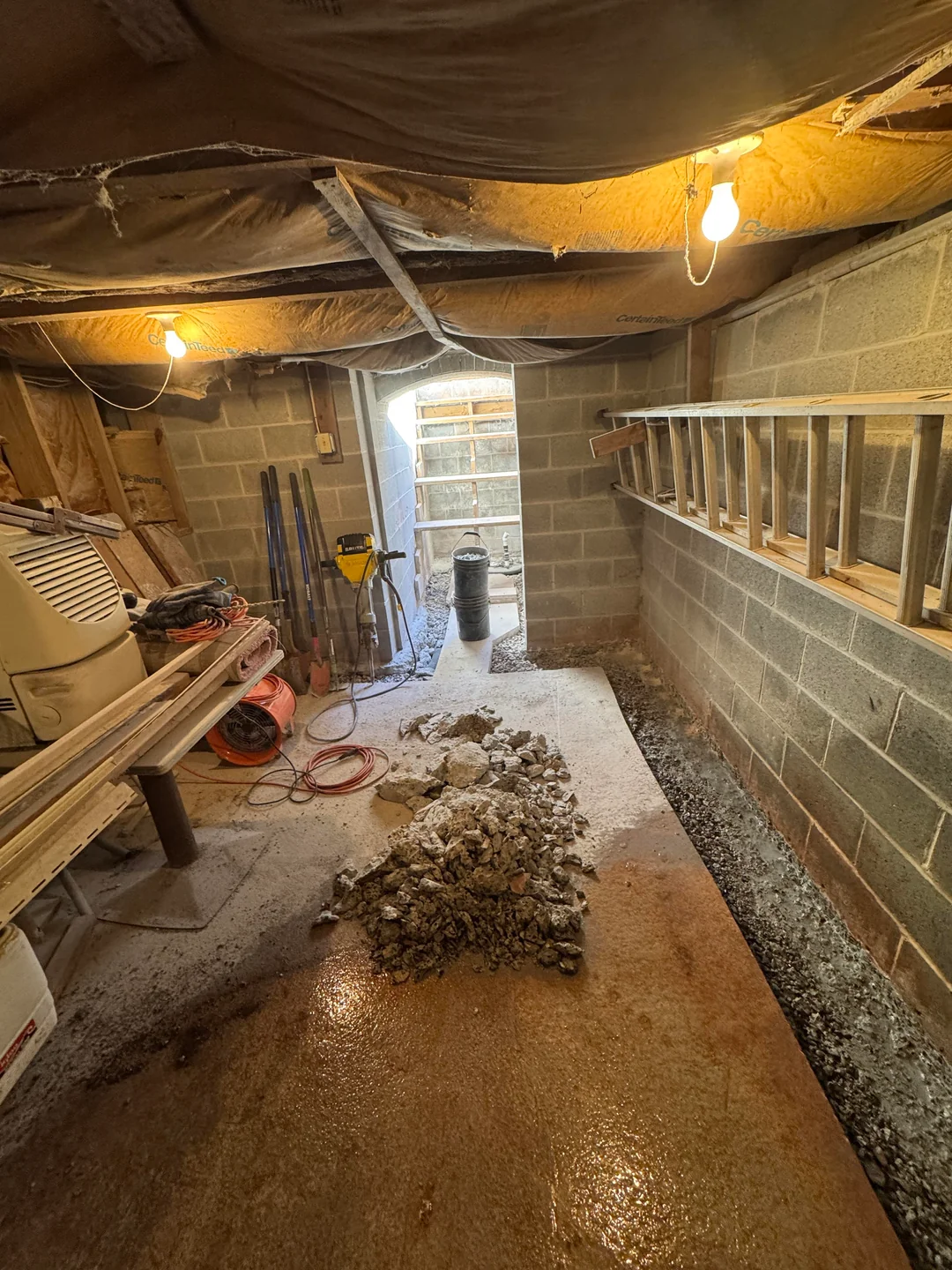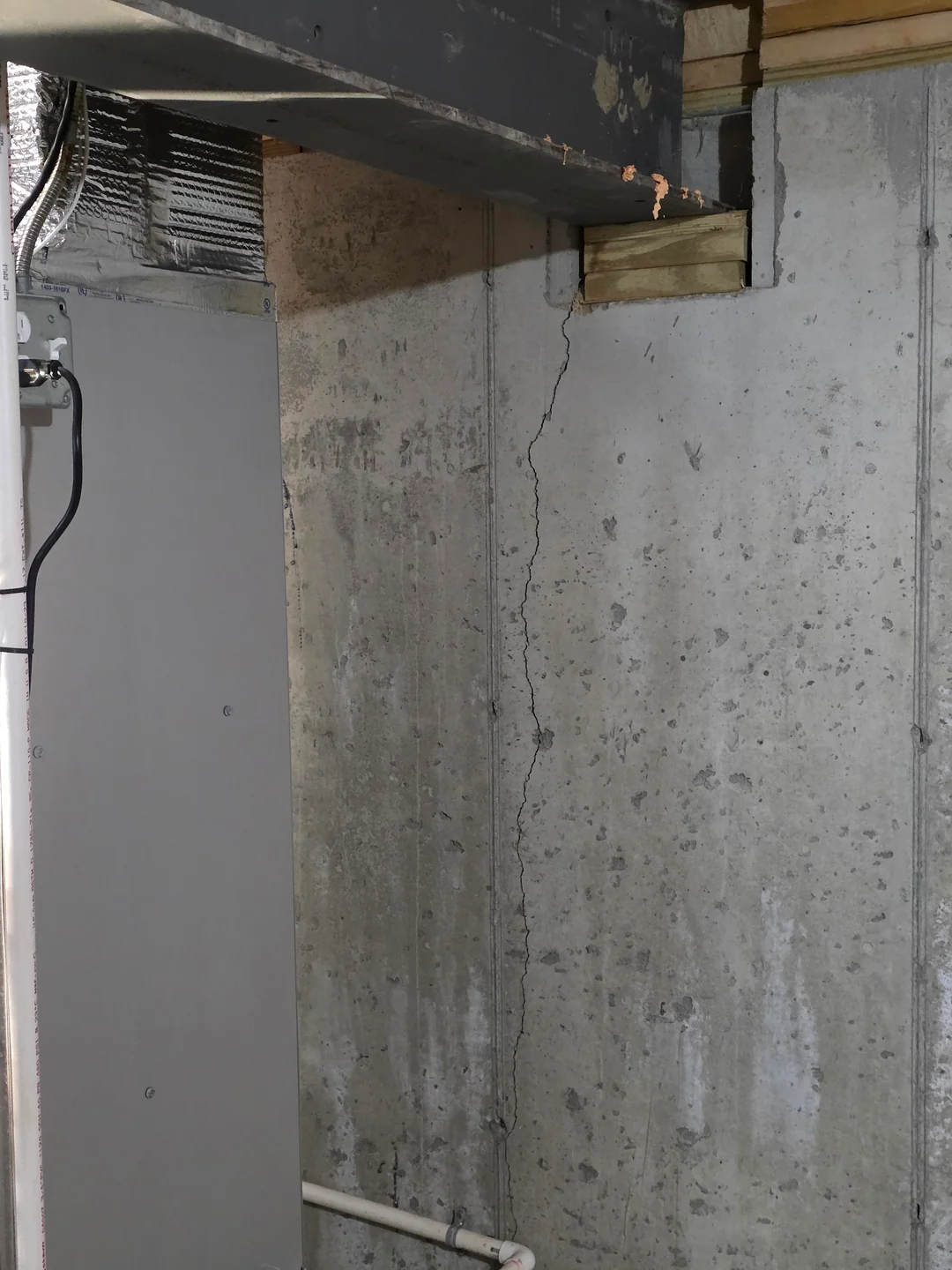
Basement Crack Repair
Low-pressure epoxy and polyurethane injection that fills a foundation crack through the entire wall thickness, so the repair is structural, not cosmetic, and carries a lifetime no-re-leak guarantee.
Explore Service
We work inside the city limits of Syracuse and nowhere else. That is not modesty, it is how we know what is under your street before we arrive. Pick your neighborhood below for the ground it sits on, the foundations it was built with, and the failure we get called out for there most often. If you are not sure which one you are in, call (315) 940-2872 and we will tell you.
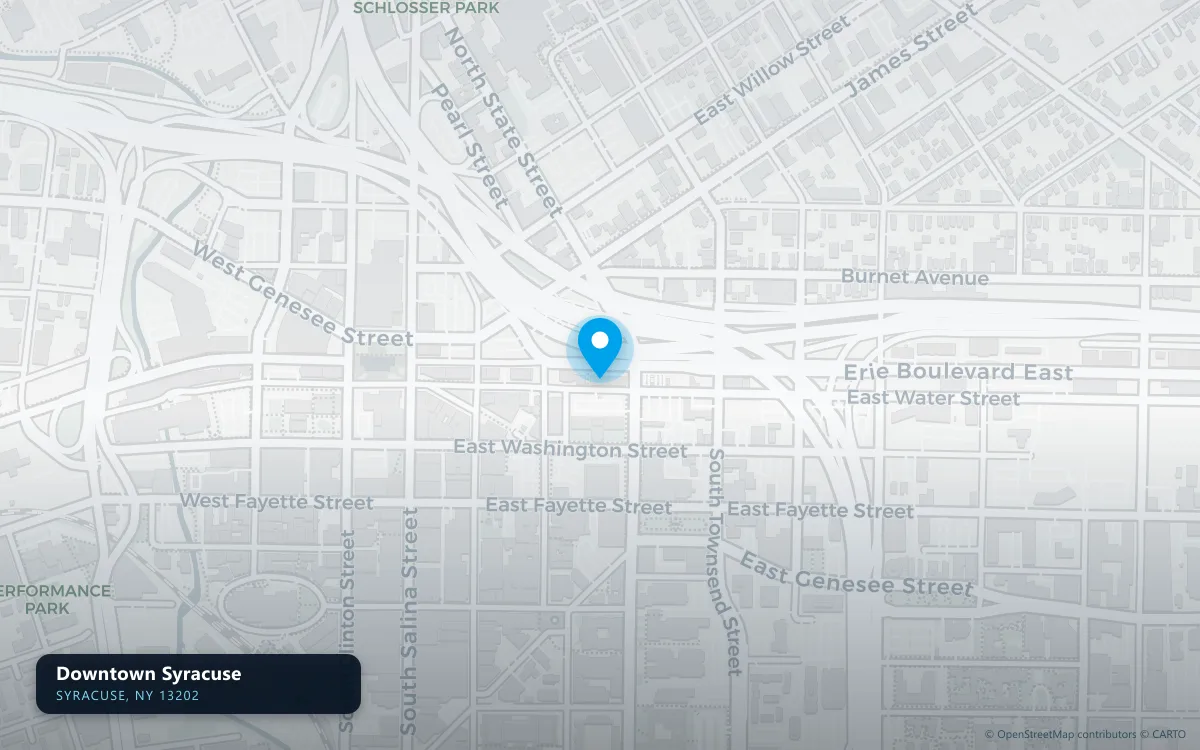
Converted warehouse cellars cut below the water table, wet in August as well as March.
What we find in Downtown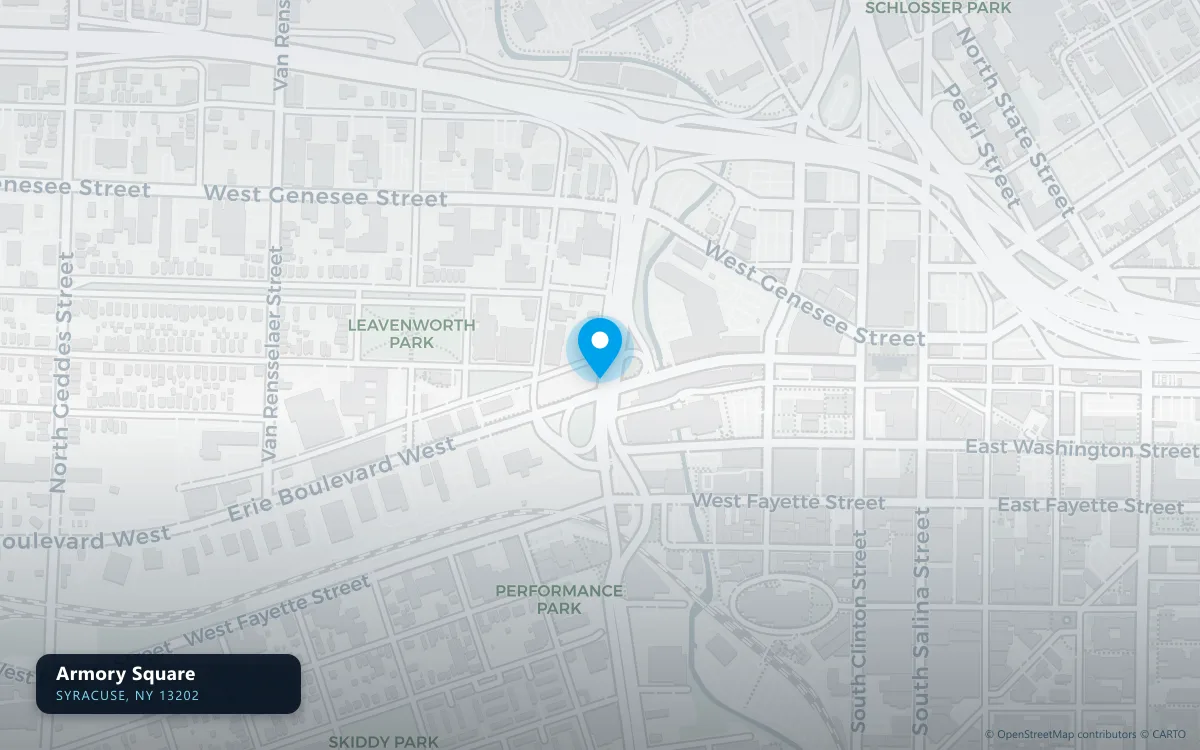
Loft conversions in 1890s mercantile blocks, where the cellar floor was lowered and the wall was not.
What we find in Armory Square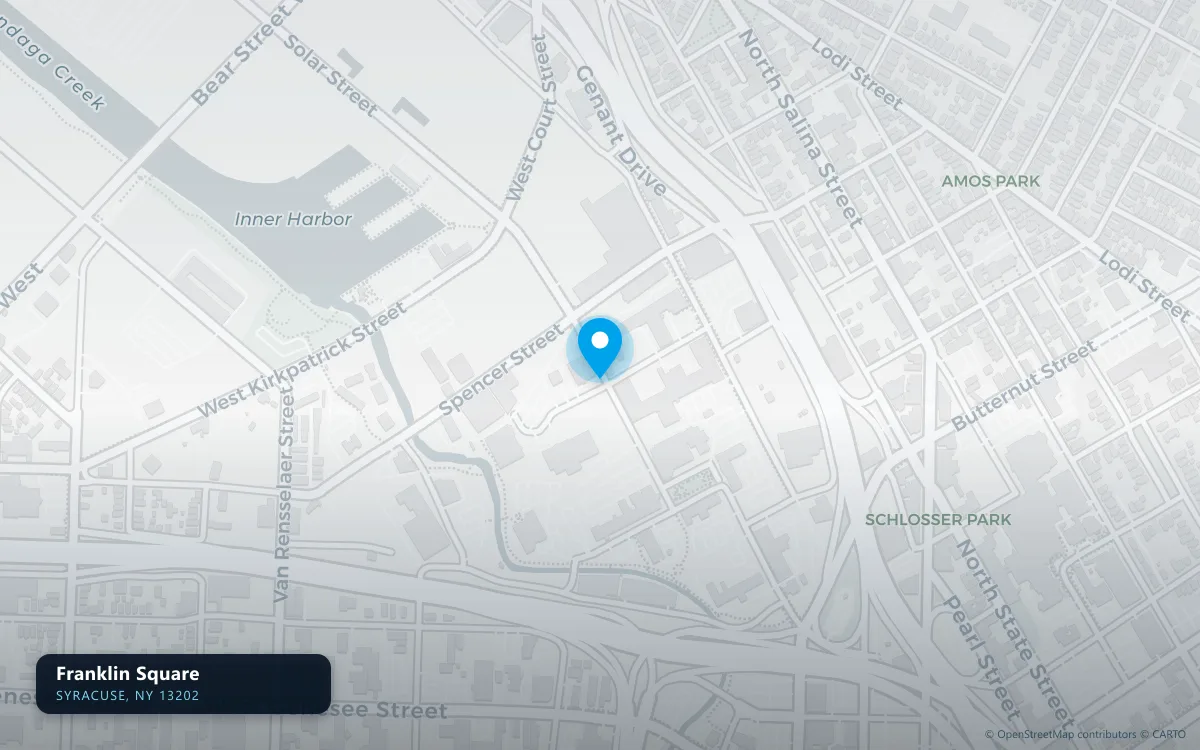
Former industrial buildings beside the creek, on the lowest and wettest ground in the city.
What we find in Franklin Square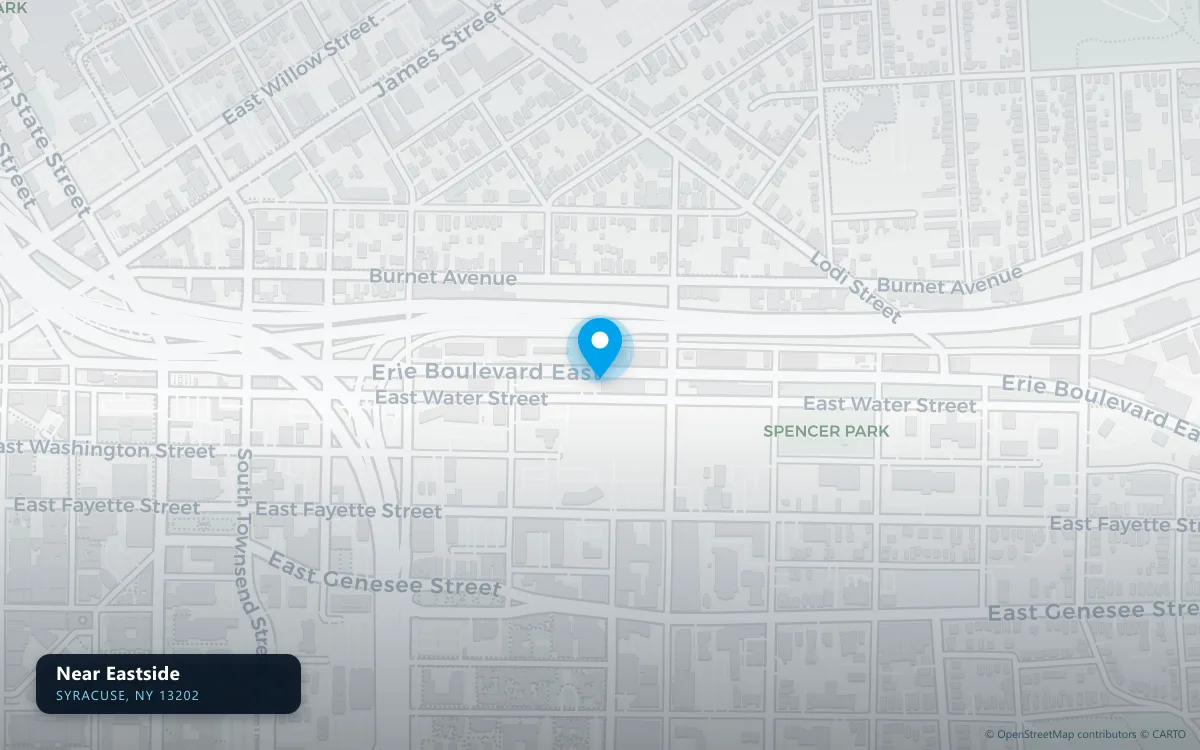
A mix of 1900s townhouses and institutional buildings on the slope up toward the hospitals.
What we find in the Eastside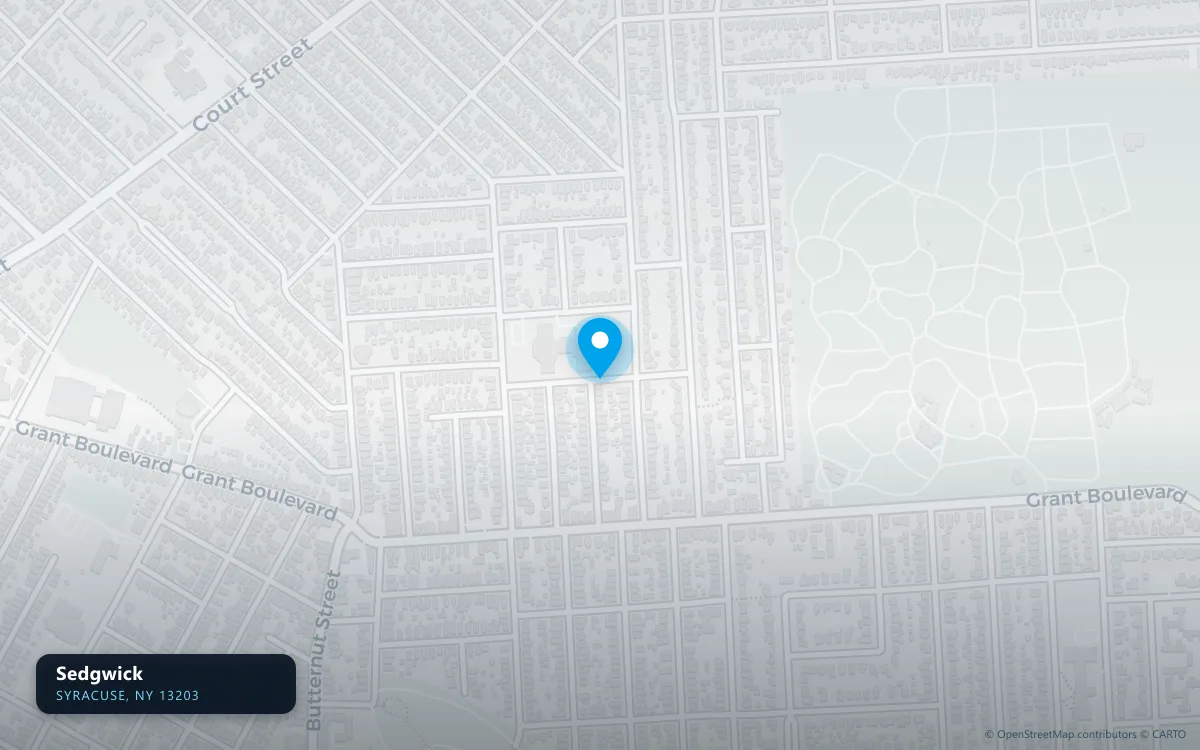
Brick colonials from the 1920s under 80-year-old maples, where roots are the reason we are usually called.
What we find in Sedgwick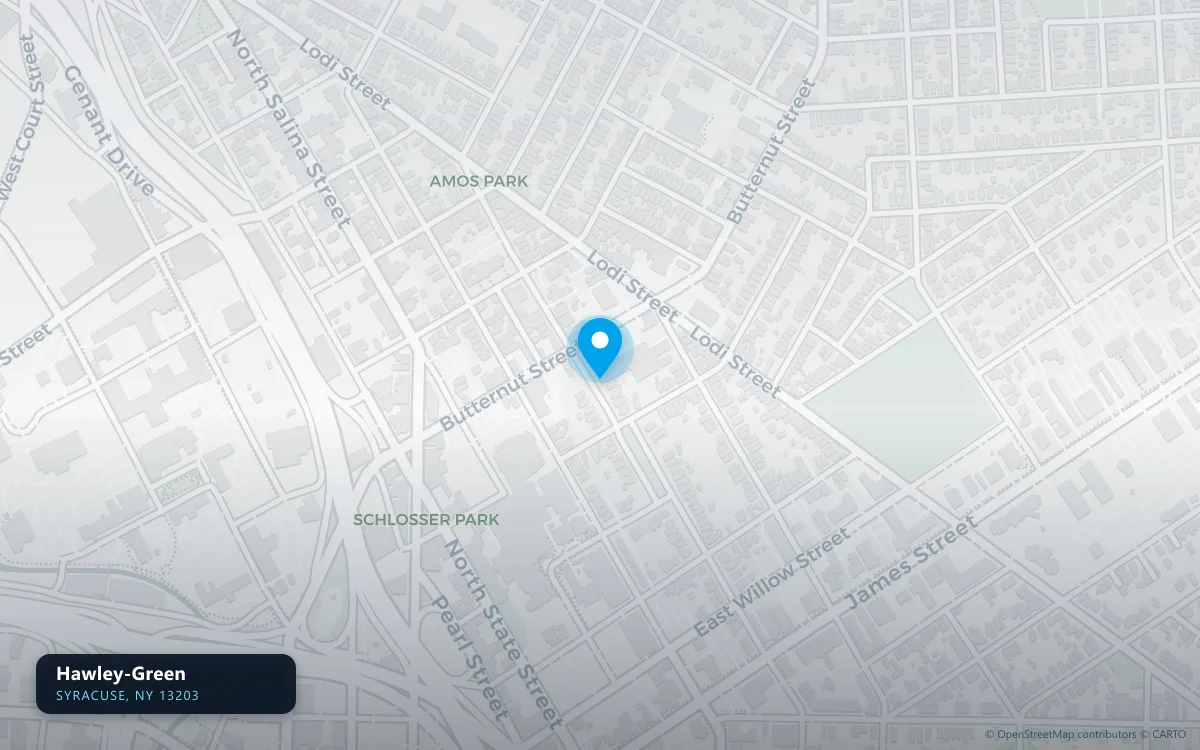
The city historic district: 1870s to 1900s Victorians on stone rubble, most of them divided into flats.
What we find in Hawley-Green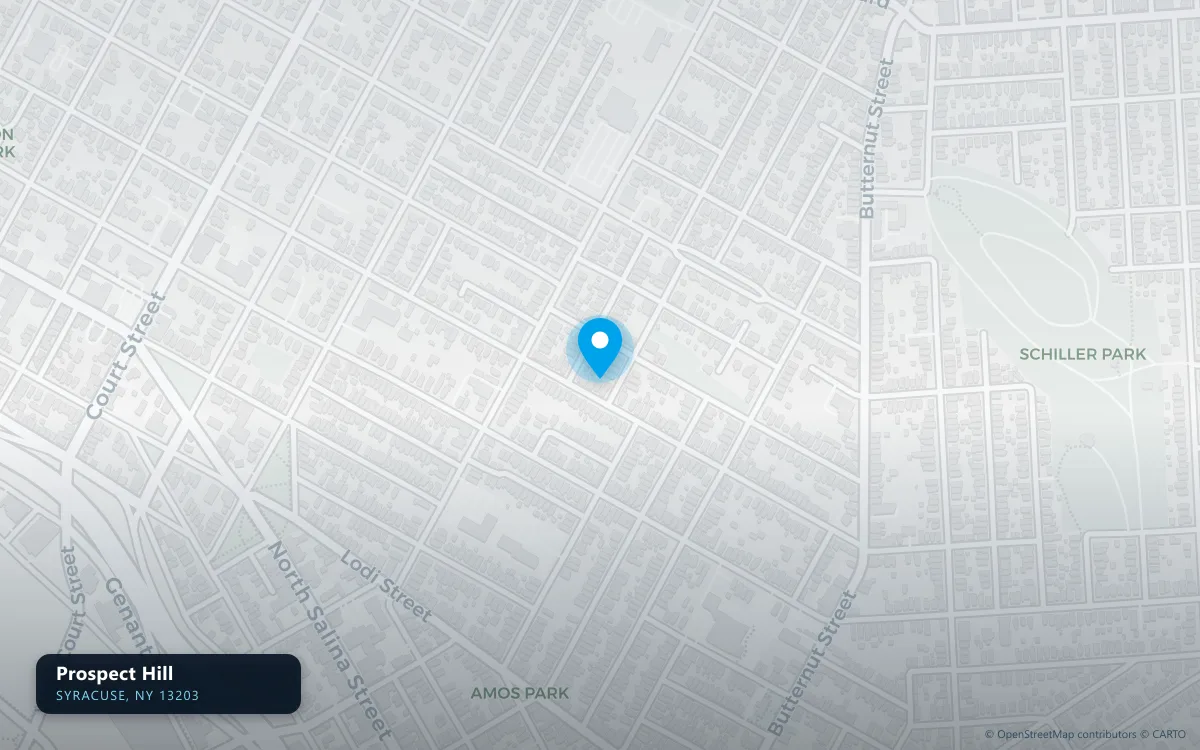
A steep north-side rise where every house takes runoff from the properties above it.
What we find in Prospect Hill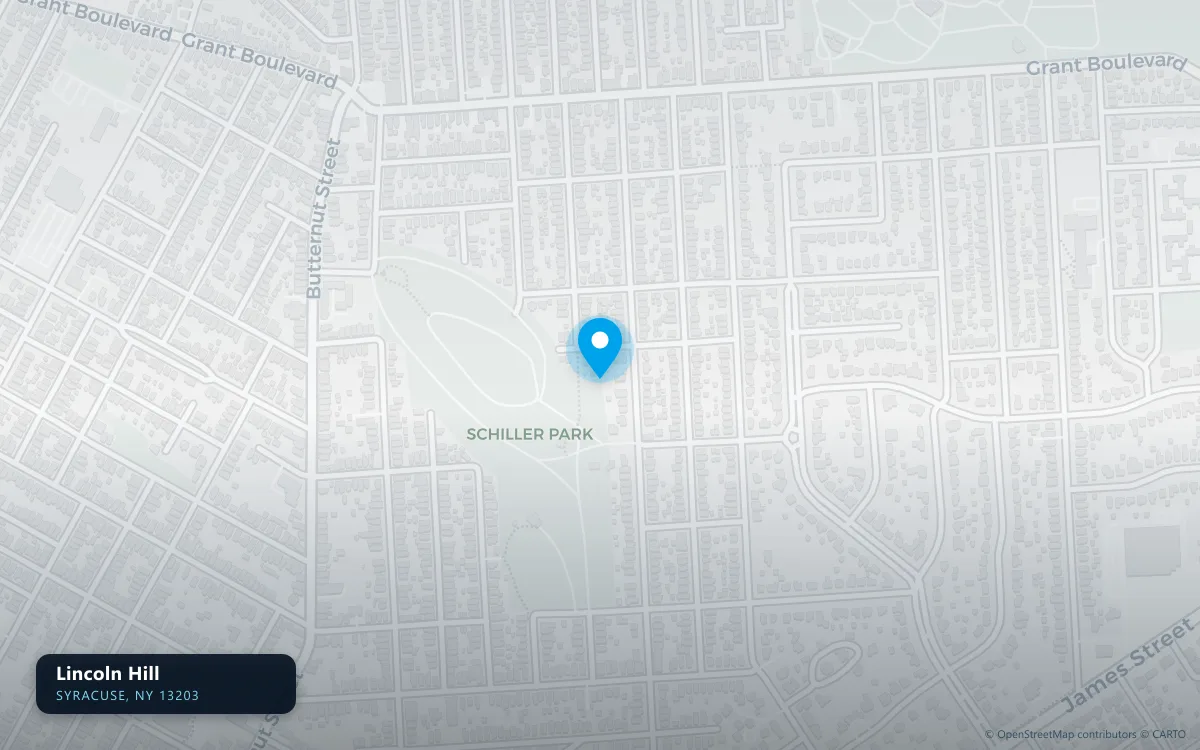
Northeast streets of 1910s to 1930s two-family homes on poured walls that crack in one predictable place.
What we find in Lincoln Hill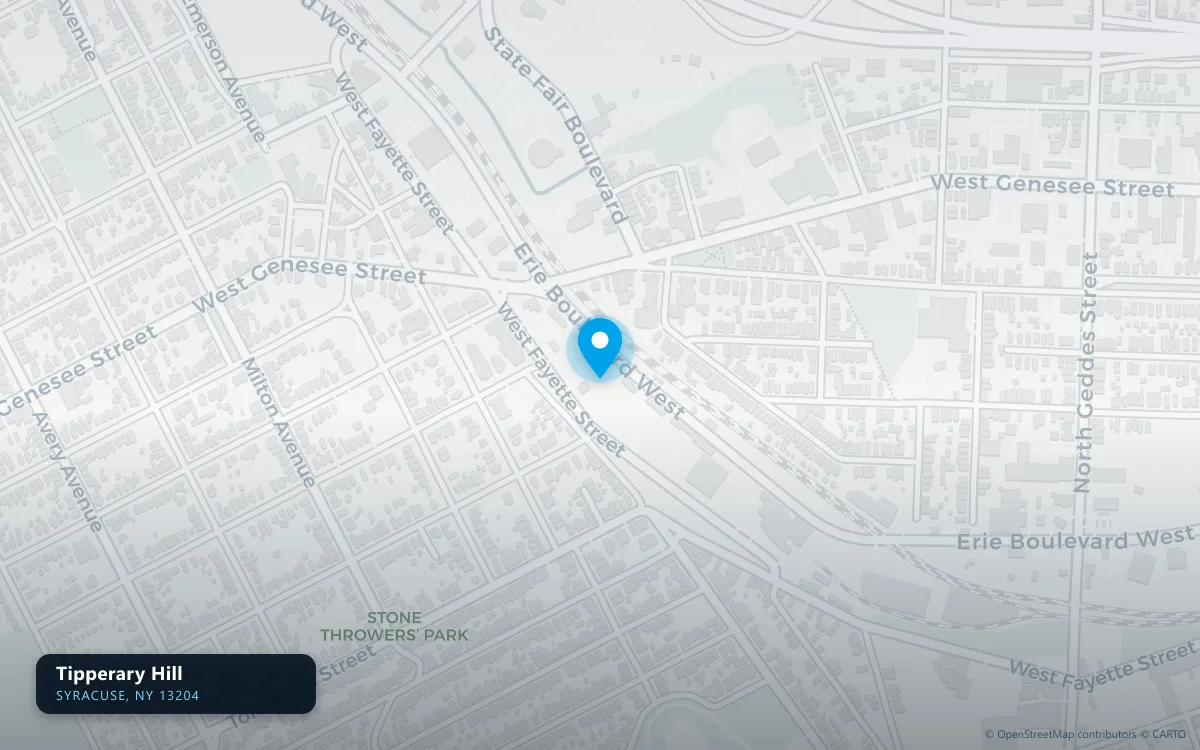
The steepest residential ground in the city, where runoff reaches the uphill wall of every 1900s stone foundation.
What we find in Tipperary Hill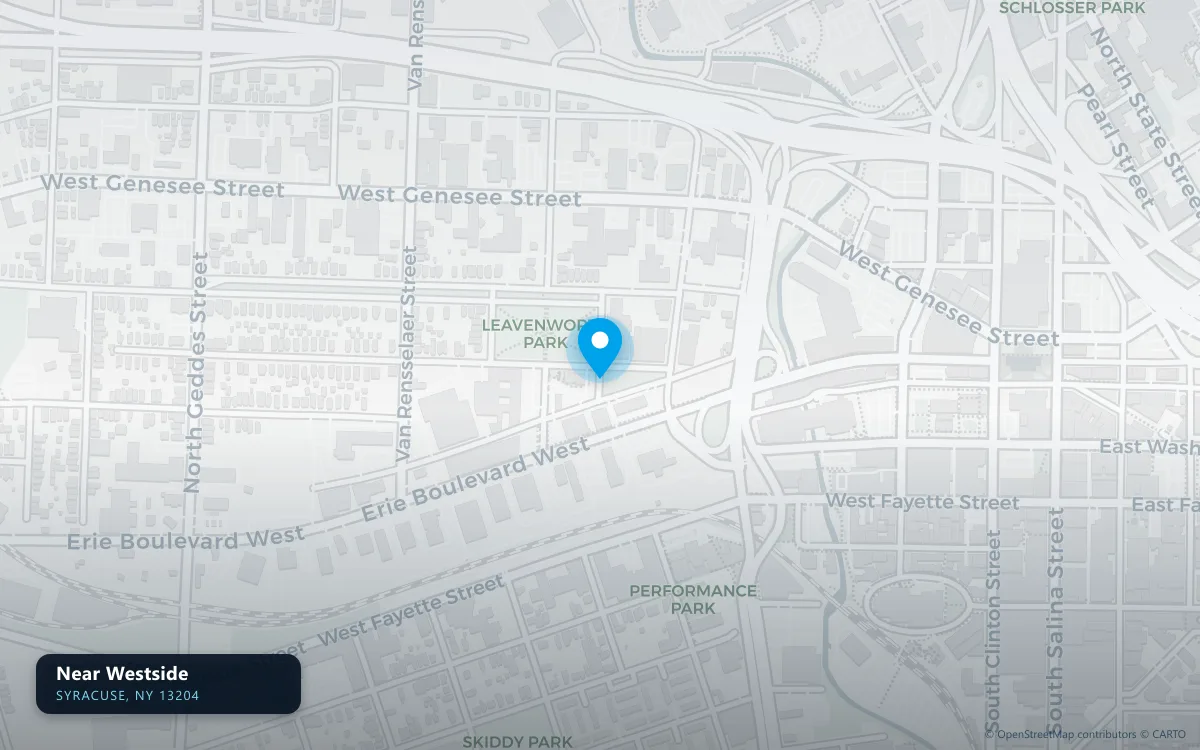
The oldest and densest housing in the city, on foundations never built to keep water out.
What we find in the Near Westside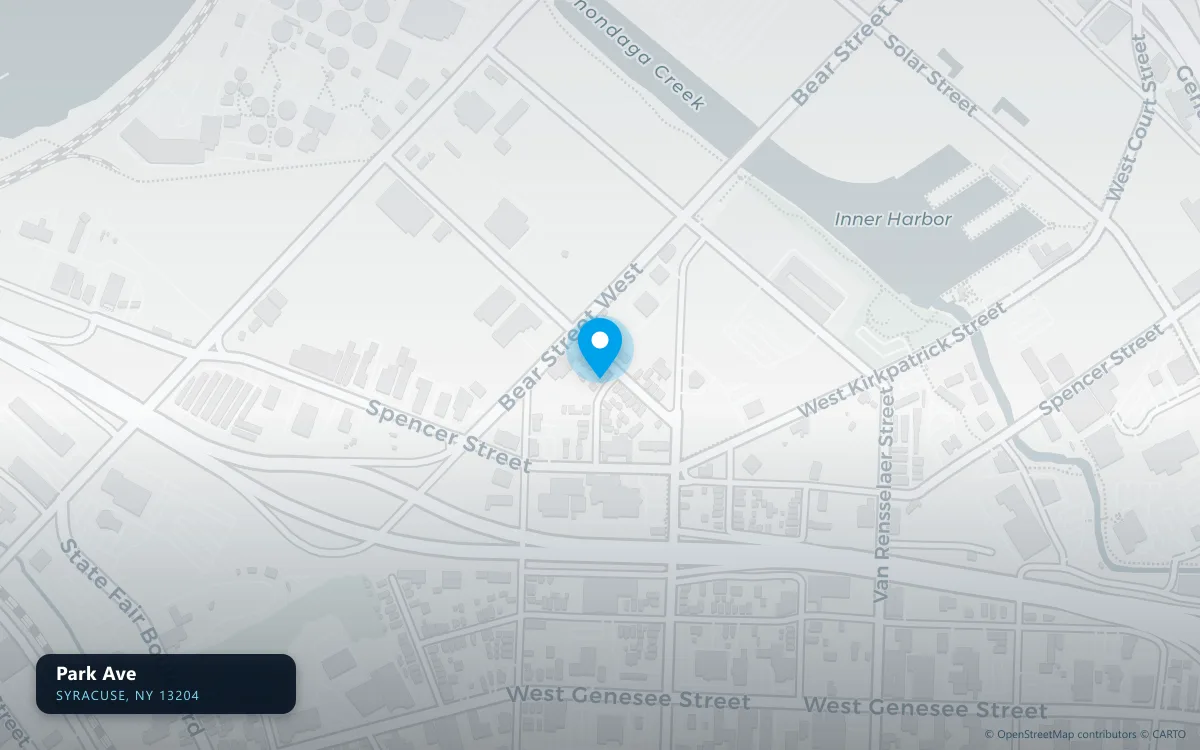
West side streets of 1900s two-family homes on the flat below Tipperary Hill, taking the hill runoff.
What we find in Park Ave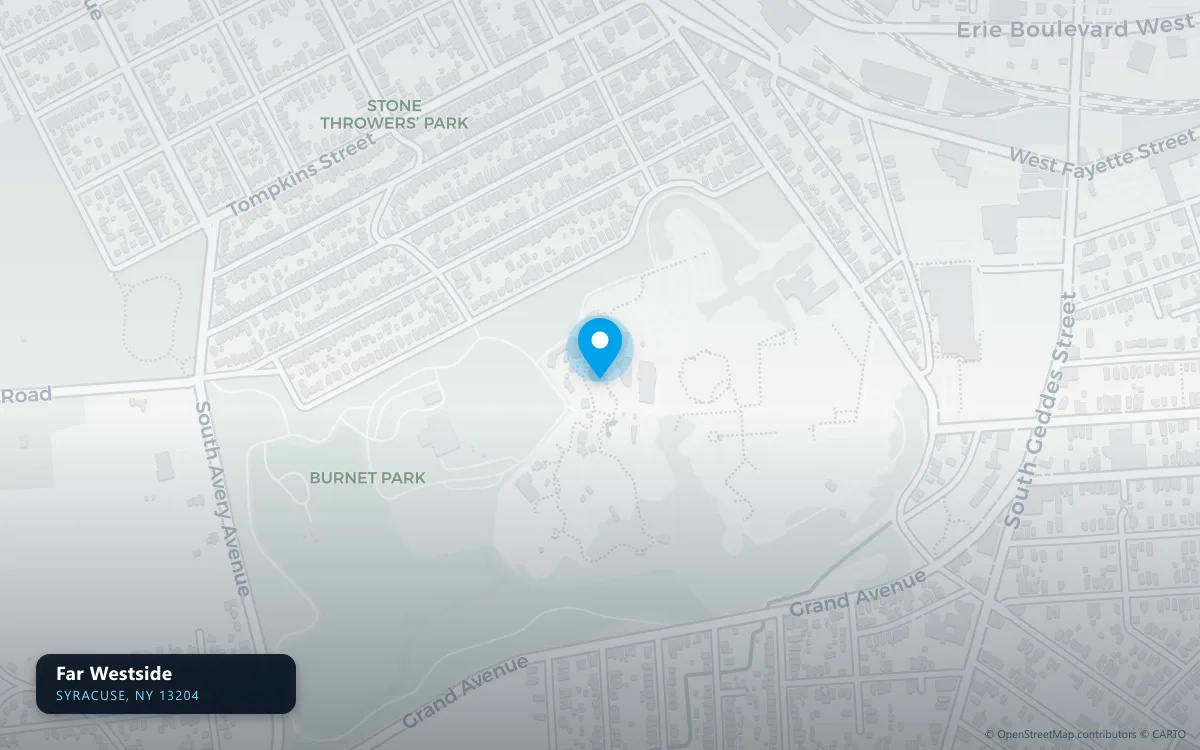
Post-war infill and older frame houses at the western city line, on mixed block and poured foundations.
What we find in the Far Westside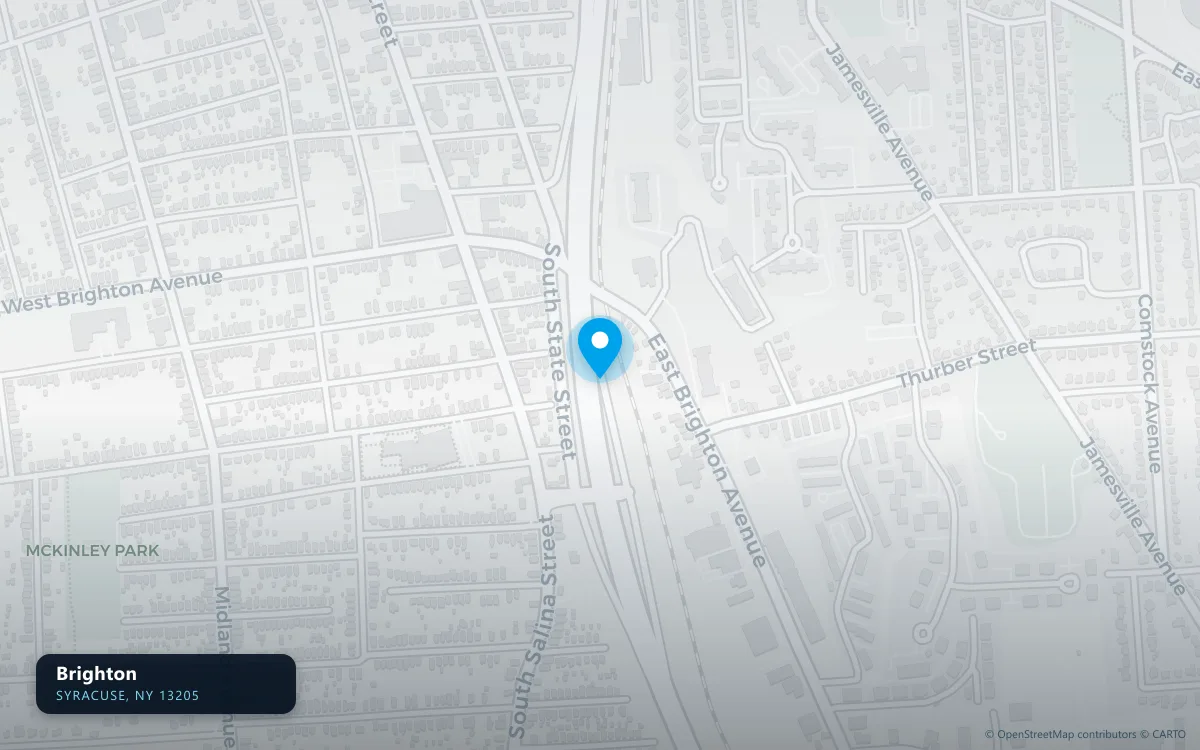
South side streets of 1920s bungalows on ground that drains slowly in every direction.
What we find in Brighton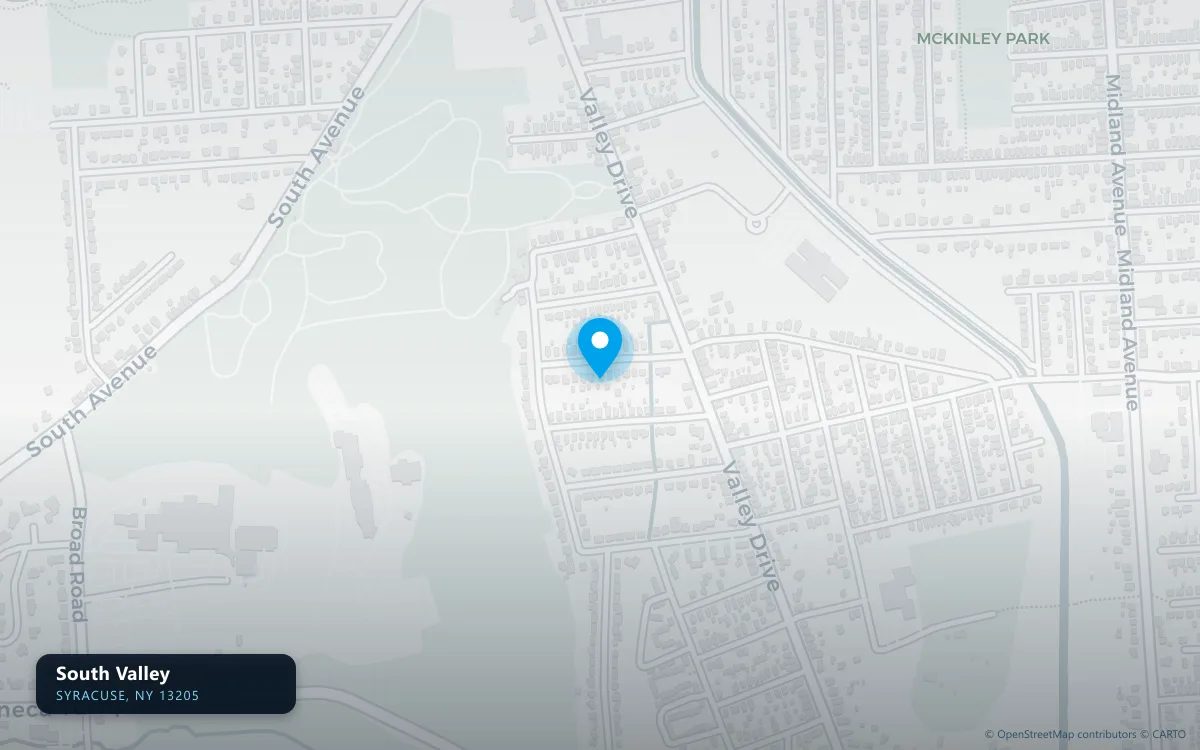
Post-war ranches at the southern city line on block foundations, where the slab sits shallower than the water.
What we find in South Valley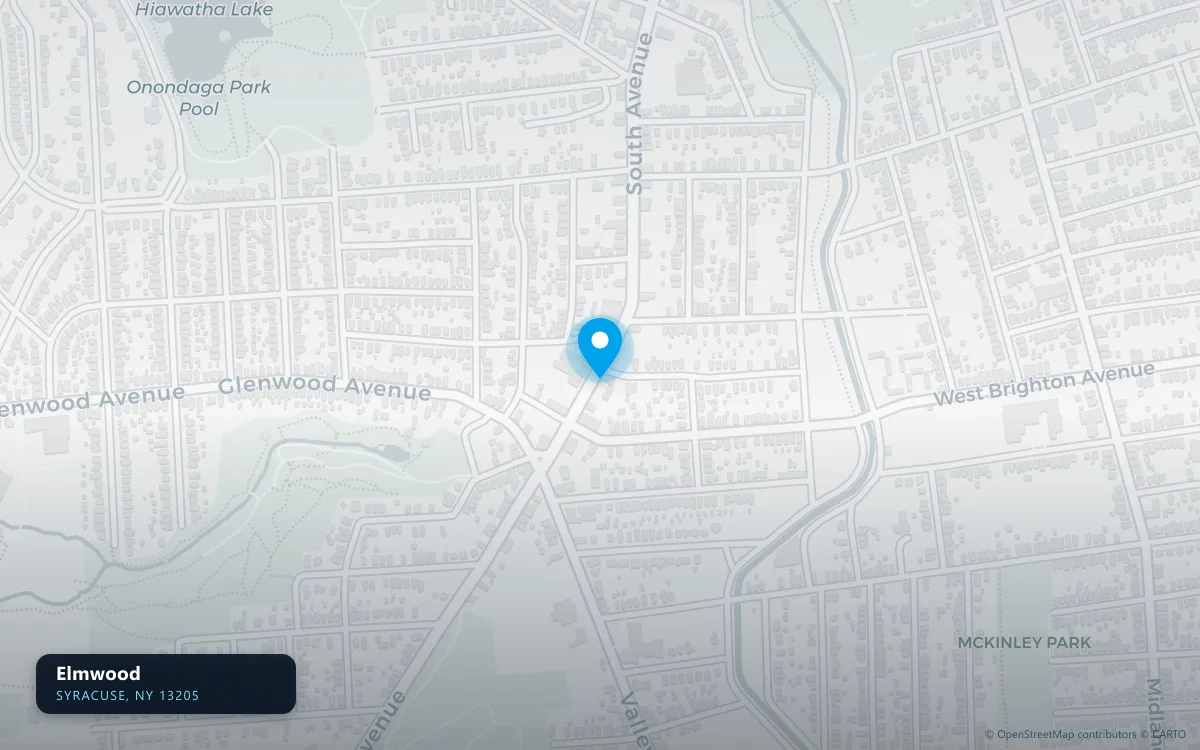
A pocket of 1920s and 1930s homes on the slope above the valley floor, with deep basements and clay.
What we find in Elmwood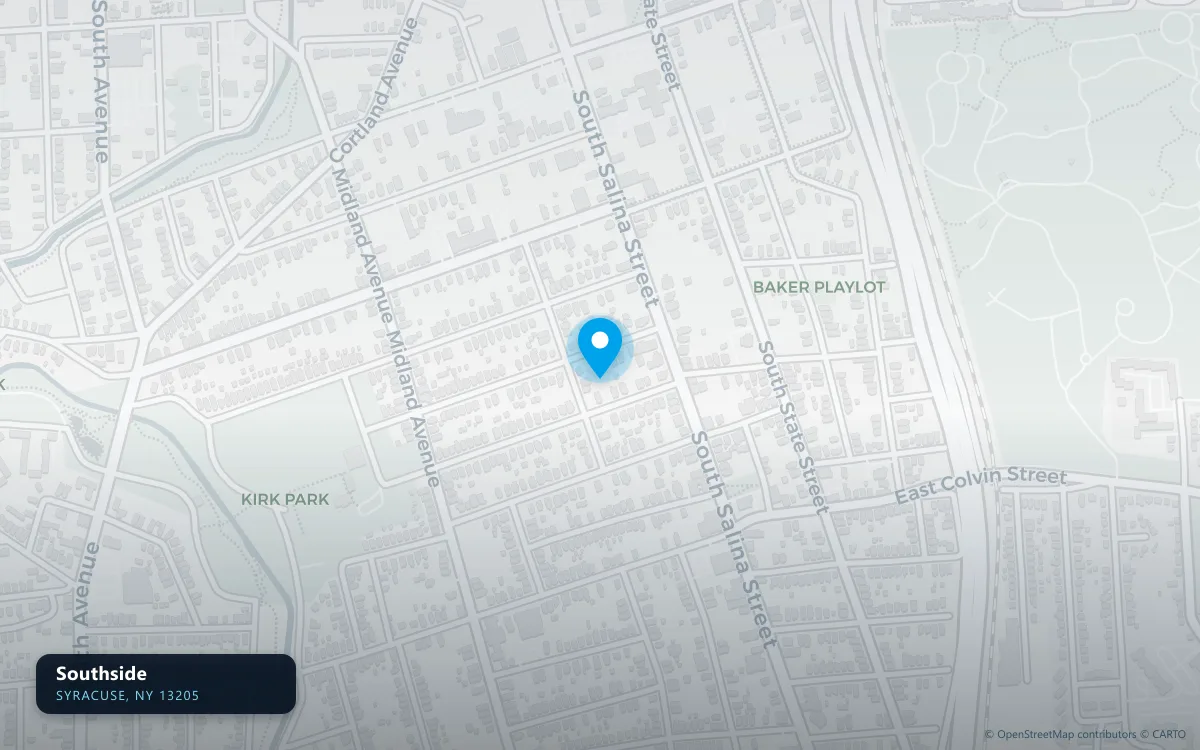
Dense older housing on flat, slow-draining ground, much of it with basements that were never meant to be dry.
What we find in the Southside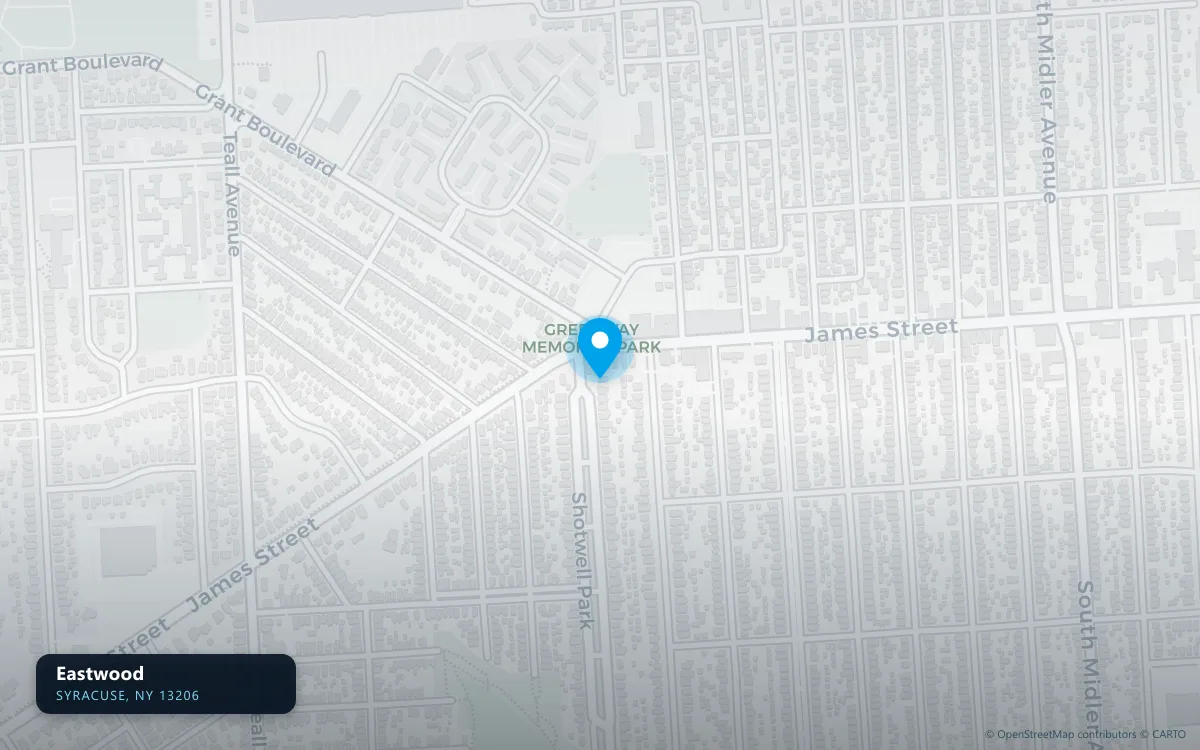
The village within the city: 1915 to 1935 bungalows on poured walls that crack in one predictable place.
What we find in Eastwood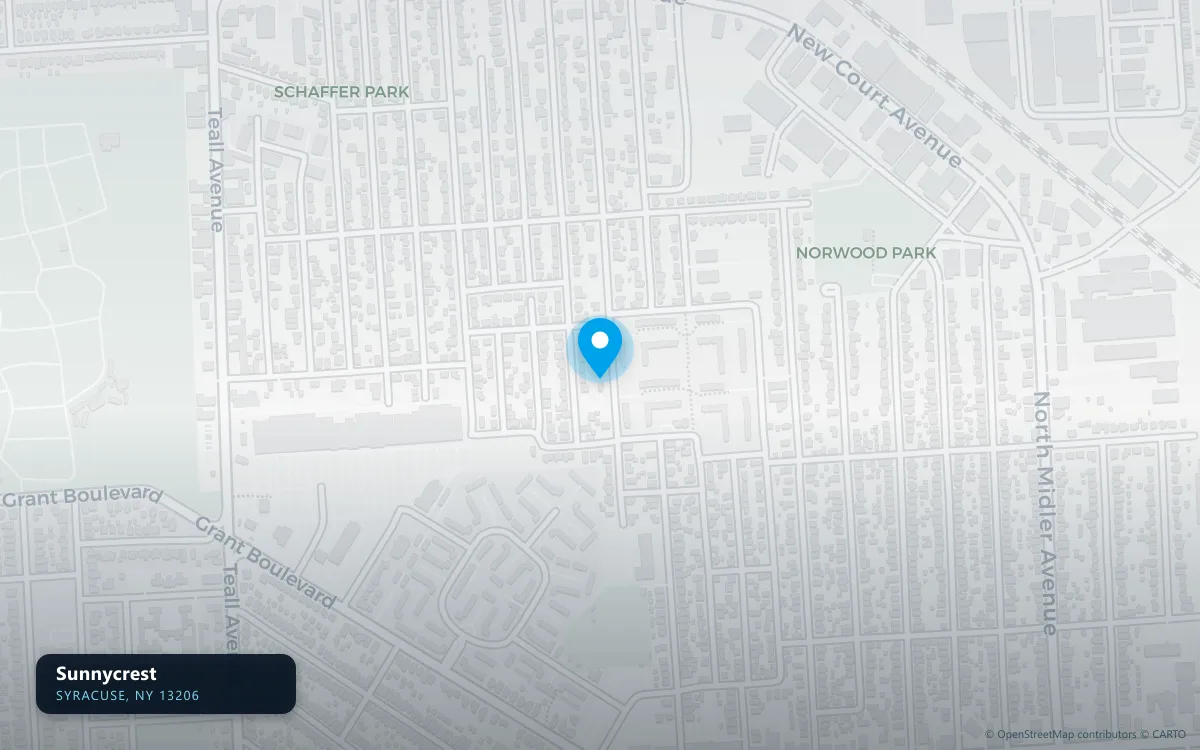
The high ground of Eastwood, where basements stay drier and the problems are cracks rather than flooding.
What we find in Sunnycrest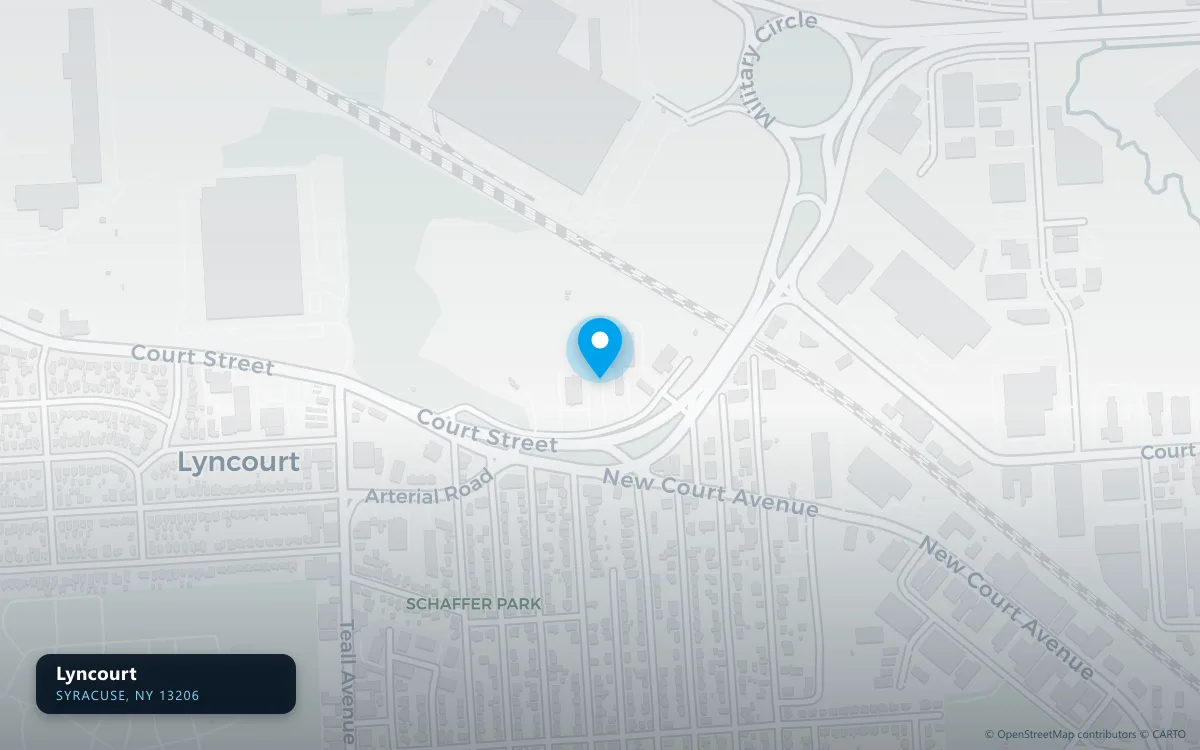
Post-war ranches at the northeast edge on block foundations that take water through the units.
What we find in Lyncourt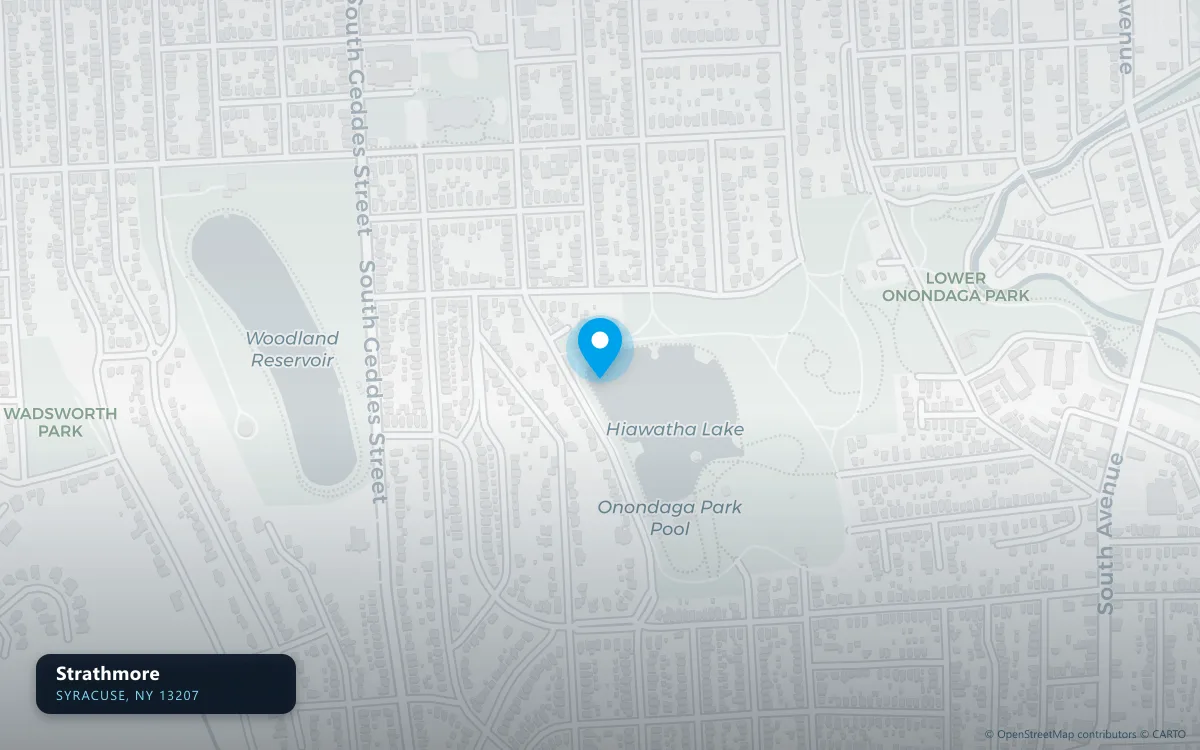
Large 1920s houses on the hill with 9 ft basements and finished lower levels that hide the evidence.
What we find in Strathmore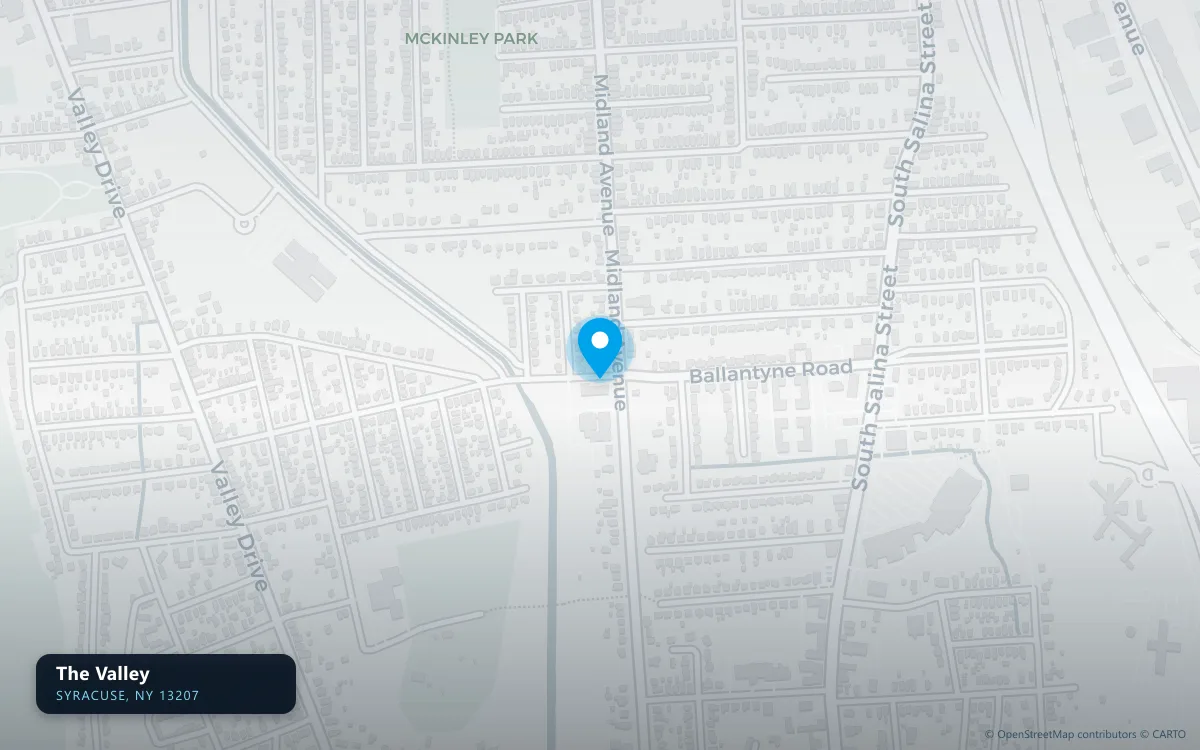
The lowest ground in the city, where hydrostatic pressure is the default rather than a possibility.
What we find in the Valley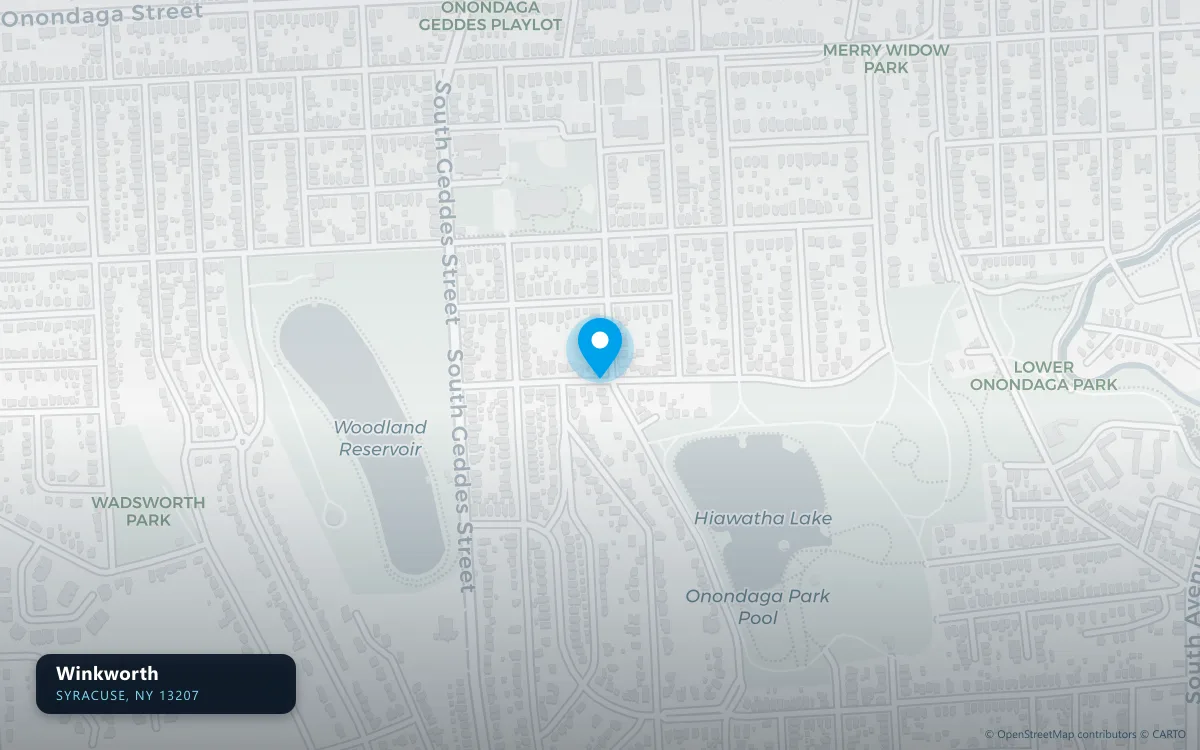
A small pocket of 1930s and 1940s homes on the slope between Strathmore and the valley floor.
What we find in Winkworth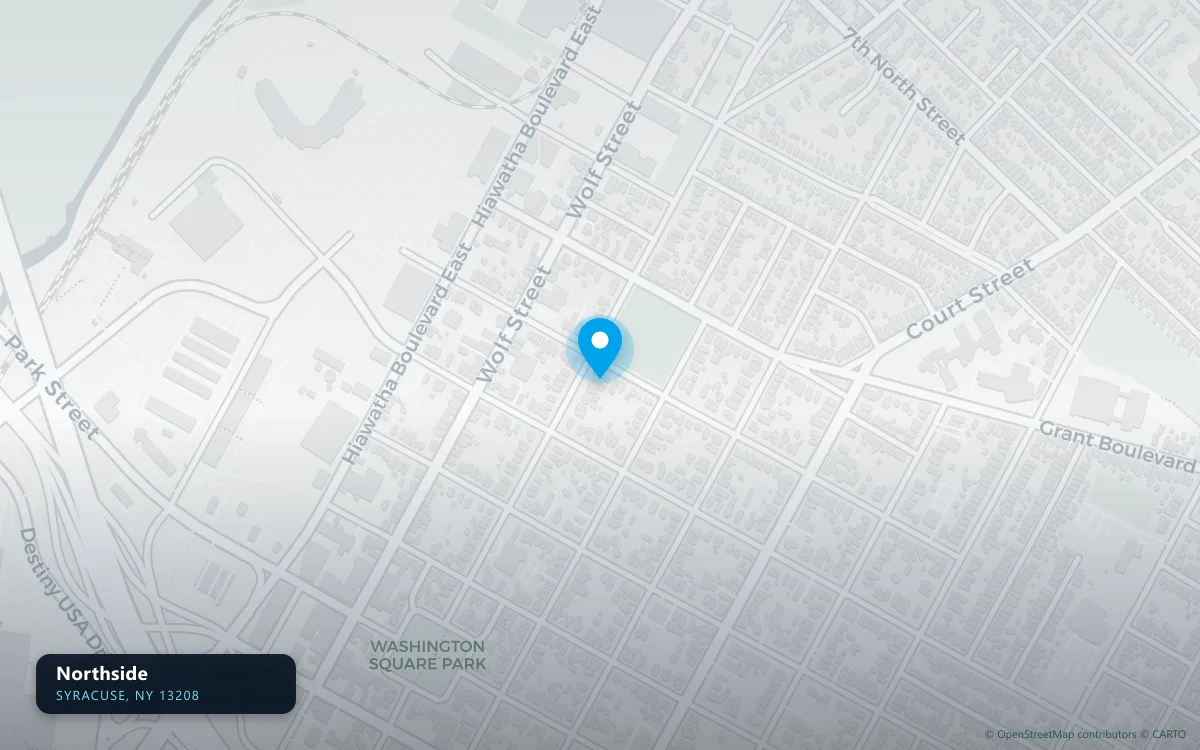
Low ground at the north end where whole streets go wet in the same week every spring.
What we find in the Northside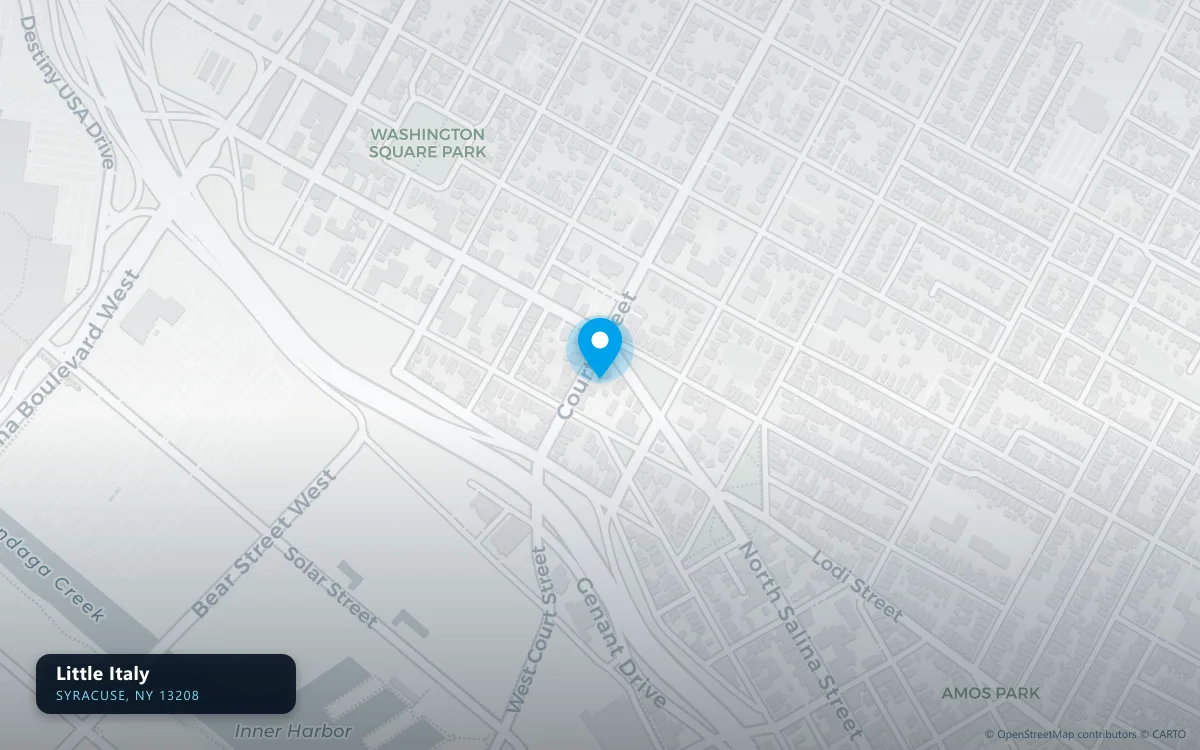
North Salina Street and the blocks around it: 1890s row housing with shared walls and shared water.
What we find in Little Italy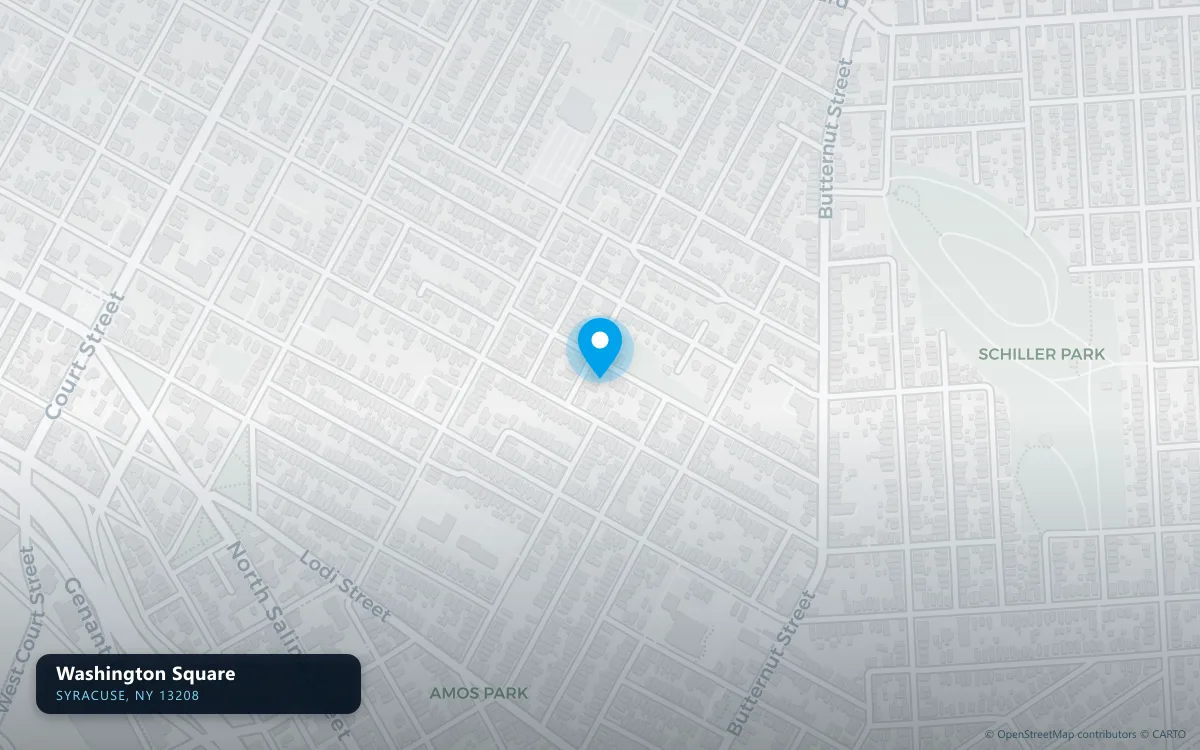
A compact district of 1880s to 1910s houses between the Northside and downtown, on the oldest drainage in the city.
What we find in Washington Square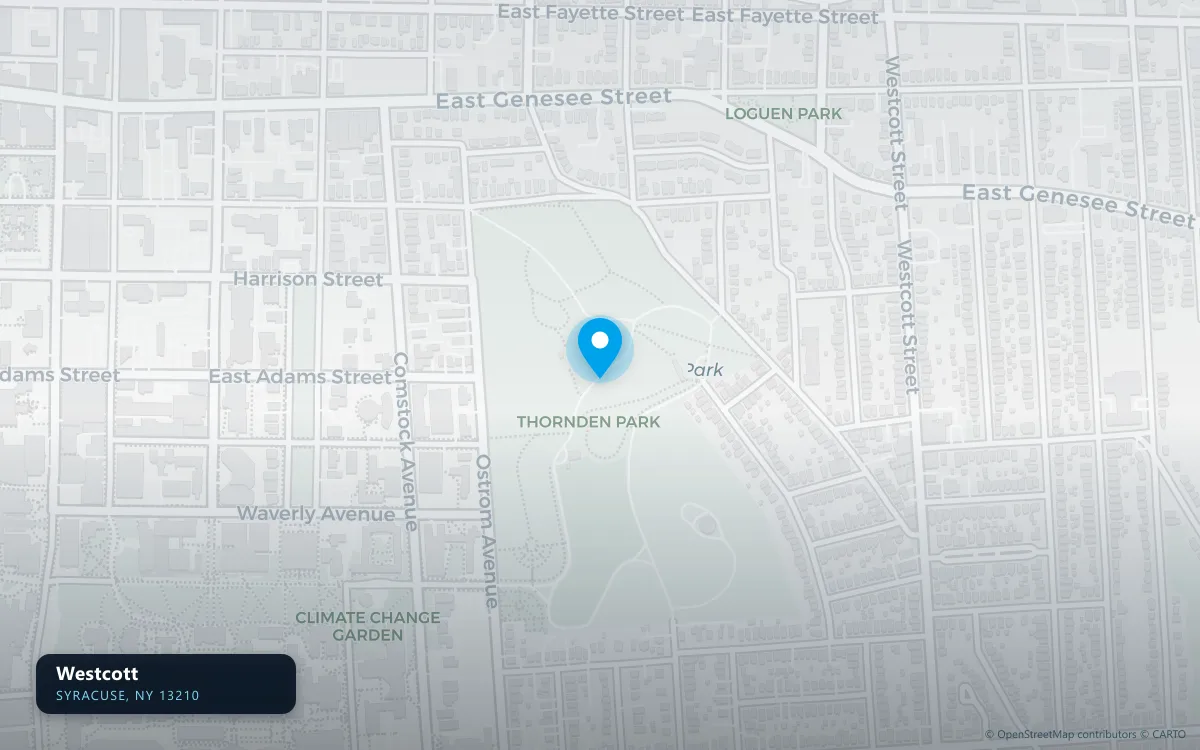
Dense Victorian housing on narrow lots, where the neighbour’s downspout is often the reason your basement is wet.
What we find in Westcott
The steepest grade in the city, mixed rental stock, and a great deal of deferred maintenance.
What we find in University Hill
The residential streets south of the campus, 1910s to 1930s homes on the tail of the hill.
What we find in Outer Comstock
Streets around Thornden Park where the park land above drains directly into the housing below it.
What we find in Thornden
Post-war ranches on flat ground with shallow basements sitting right on top of the water table.
What we find in Meadowbrook
East side streets on ground that gave the city its name, where the water has always been close to the surface.
What we find in Salt Springs
A planned 1920s neighborhood of larger homes on the rise east of Meadowbrook, with deep basements.
What we find in Scottholm
Mid-century homes on the eastern edge of the city, on rolling ground with pockets of poor drainage.
What we find in Bradford HillsIf your address falls in one of these, the trip out is free and so is the diagnosis. We do not travel outside the city, because a company that covers four counties cannot know your street the way we know ours.
Low-pressure epoxy and polyurethane injection that fills a foundation crack through the entire wall thickness, so the repair is structural, not cosmetic, and carries a lifetime no-re-leak guarantee.
Explore Service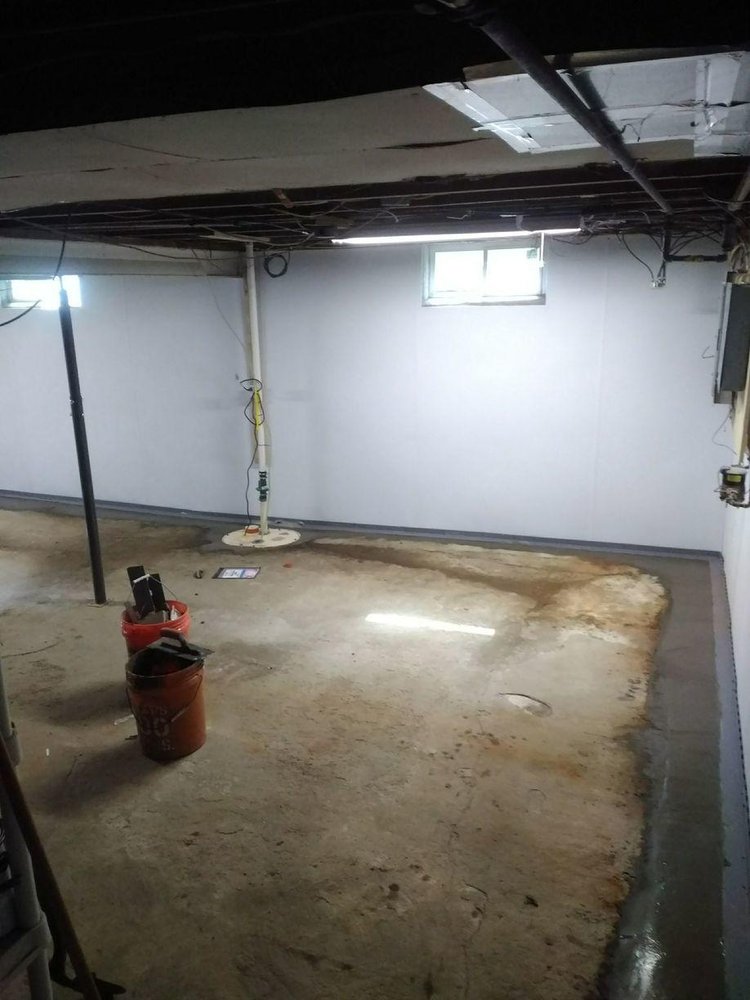
A 20-mil reinforced vapor barrier sealed to the walls and piers, rim joists insulated and humidity held under 55%, turning a damp dirt crawl space into conditioned, storable space.
Explore Service
Rotted joists, sagging floors, failed insulation and settled piers, the structural and material repairs that have to happen before a crawl space can be sealed and left alone.
Explore ServiceRequest Your Free Basement Inspection Today
Water in the basement, a foundation crack you have been watching, or a crawl space nobody wants to open. Get a straight diagnosis from Basement Waterproofing Syracuse, with fast response, fixed pricing and workmanship guaranteed for life across the city of Syracuse.